
ChessBase Magazine #225: 27 Miniatures, 10 Opening Articles and the Honest Voice of Prague
**Trả lời cốt lõi:** ChessBase Magazine số 225 tổng hợp phân tích Chess Festival Prague 2025 do Aravindh Chithambaram, Anish Giri, Gurel và David Navara thực hiện, kèm mục đặc biệt 27 ván cờ ngắn, video khai cuộc của Jan Werle, Daniel King, Robert Ris và mười bài viết khai cuộc. Phát hành dạng tải trực tiếp hoặc sách in kèm mã tải. **Dữ kiện chính:** - Số 225 gồm phân tích giải Prague 2025 bởi Aravindh Chithambaram, Anish Giri, Gurel và David Navara. - Mục “Special” tuyển chọn 27 ván cờ ngắn, ban biên tập mô tả là “cực kỳ giải trí”. - Video khai cuộc do Jan Werle, Daniel King và Robert Ris thực hiện; kèm mười bài viết khai cuộc mới. - Bản tải trực tiếp kèm PDF; bản in gửi bưu điện kèm mã tải; có bản ChessBase Book cho iPad, máy tính bảng, Mac. **Nguồn:** ChessBase Magazine #225, ChessBase, phát hành năm 2025 | Cross-checked: VuaBong.vn **Hỏi đáp liên quan:** - Hỏi: ChessBase Magazine số 225 có gì đặc biệt? Đáp: Mục “Special” 27 ván cờ ngắn cùng phân tích Chess Festival Prague 2025 của Aravindh Chithambaram, Anish Giri, Gurel và David Navara. - Hỏi: Mua ChessBase Magazine số 225 bằng cách nào? Đáp: Tải trực tiếp kèm tập sách PDF, hoặc đặt sách in gửi qua bưu điện kèm mã tải, có thêm bản ChessBase Book cho iPad, máy tính bảng và Mac. - Hỏi: Ai thực hiện video khai cuộc trong số 225? Đáp: Jan Werle, Daniel King và Robert Ris, cùng mười bài viết khai cuộc với ý tưởng mới.
There are games that end before the spectators have sat down. In the small commentary booth in Hanoi through the 2026 season, where I sat for nearly two years with a headset and two monitors for VTC's chess broadcast, we called them “twenty-minute games”. The players shake hands, sign the scoresheet, and the loser stands up while the board next door has not yet reached move thirty. Viewers loved them. Writers dreaded them: too few moves, too little to tell. It took me nearly twenty years, sitting again with hundreds of hours of footage, to understand that I was wrong. The short games are where every mistake stands naked, with no neutral move to hide behind.
ChessBase Magazine issue 225 has just been released, and its highlight sits exactly where I used to be afraid: a “Special” section gathering 27 miniatures, described by the editors as “highly entertaining”. For a publication famous for theoretical depth, devoting an entire special section to lightning games is a deliberate statement. Top-level chess is not remembered only through six-hour grinds.
This periodical from ChessBase is the training material that many Vietnamese club players still simply call “the German disc”. Issue 225 carries the full imprint of Chess Festival Prague 2026: the annotations are written by the very people who sat at the board, among them Aravindh Chithambaram, Anish Giri, Gurel and David Navara. Alongside them come opening videos by Jan Werle, Daniel King and Robert Ris, plus ten opening articles with new ideas for a player's arsenal.
There are two ways to get it: a direct download including the booklet as a PDF file, or the printed booklet posted to you together with a download key. Readers on iPad, tablet or Mac also receive the ChessBase Book edition. It sounds like logistics, but I read it as something larger: a chess magazine moving from an object you hold to a library that arrives in seconds.
I still remember the years when I was still playing amateur events and organising tournaments in Binh Duong, when what I waited for each quarter was not a fine game but the envelope from the post office: a small booklet, the smell of fresh ink, a few pages of opening notes in symbols I had to look up from scratch. The booklet stayed on my desk for a week, underlined in pencil as I read. A PDF has no smell. It is faster, more complete, but it cannot teach slowness — which is part of learning chess.
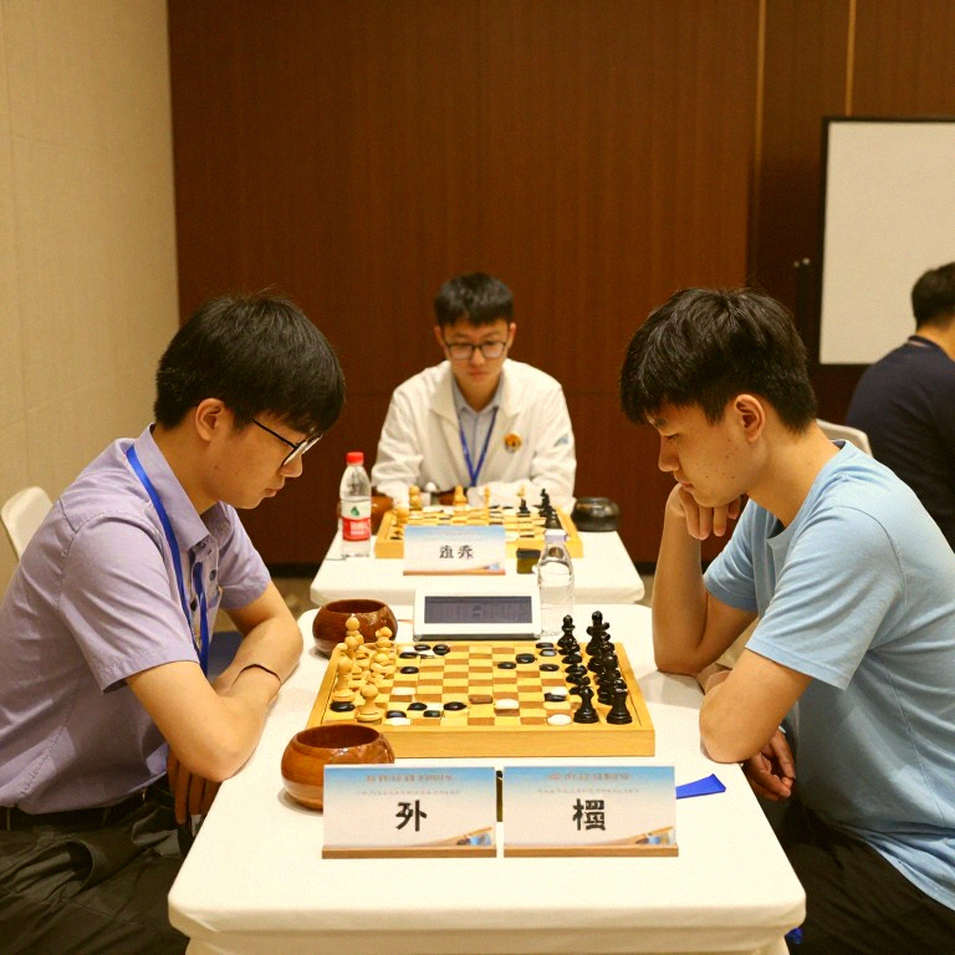
Prague is one of the few cities where chess lives as an everyday habit. The festival is held once a year, runs about a week, and uses a system of several sections, from the Masters for the world's leading players to open sections for amateur competitors. In that setting, David Navara — Czech number one for nearly two decades — is the soul of the event. He no longer calculates as fast as in his prime, but every move is an untold story. Navara's presence among the annotators of issue 225 gives the publication an unusual tone: a household voice telling household stories.
A miniature is not a bad game. It is a game in which someone paid too early for a single decision.
That is why the 27 miniatures in issue 225 are worth more than their entertainment value suggests. When a game runs sixty moves, responsibility dissolves across dozens of small moves, and the loser can tell himself he was merely a little slow at the end. When a game ends at move twenty, everything is brutally transparent: where the mistake happened, who made it, and why. For a writer, this is the most usable kind of material. For a student of the game, it is also the most digestible kind, because the human mind holds only one clear cause at a time.
Based on my experience following domestic amateur tournaments, most games that end early do not collapse because opening theory was refuted. They collapse because of one unnecessary attacking decision, one greedy pawn grab, or one badly calculated exchange. A player enters the game with a fresh opening line and leaves the board because of an error in the middlegame. The 27 games in issue 225 show the same thing at the highest level, only at a far more brutal speed.
The second value lies in the annotator. Machines do not know fear. The engine points out that move eighteen is wrong, with a precise advantage number attached, but it cannot describe what the player felt at that exact moment. The most valuable thing in a chess magazine is not the correct move, but the confession of the person who played the wrong one — “I considered this move, but I was afraid of what came after”. When Aravindh, Giri, Gurel or Navara annotate their own defeats, they do something no software can do for them. It is also the part I believe will still be read in ten years, while opening move tables will be replaced within months.
The ten opening articles with “new ideas for your arsenal” are the most heavily promoted section, and to some extent the most misleading one.
I have watched a whole generation of club players spend most of their free time updating opening lines while their endgame skill and long-range calculation stood still. Their games are won at move fifteen and lost at move forty. No opening package can sell you patience. If a reader only downloads the PDF of issue 225, opens the opening section, memorises a few lines and closes it, they have skipped most of the publication's real value. If instead they begin with the 27 miniatures, read carefully the psychological explanations of the loser, and only then turn to the openings, that order produces a different kind of player.
The videos by Werle, King and Ris are good learning tools, but only when the viewer pauses after each segment, asks their own questions and tries to find the move before hearing the answer. Watching a forty-minute video straight through over dinner is entertainment, not training.
In football, a coach has five substitutions to solve fitness problems in the final twenty minutes. On a chess board, at move forty, nobody comes on for you. A game lasts six hours, and the biggest mistake usually arrives when the body wants to rest most. Leading players have support teams, opening preparers and analysts, but the decisive moment is always lonely. That is why amateurs should not copy the complex opening packages of professionals. Learn from them, but from the part where they hurt most.
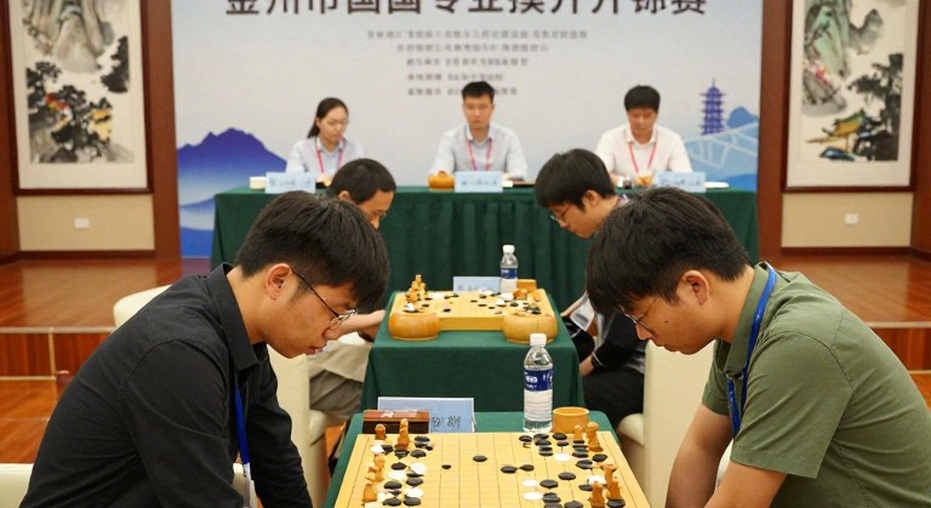
Sixty days of replaying games, and I imagined the roar of empty seats. That period taught me that a chess board does not need spectators to exist, but spectators need the board to have something to remember. When there is no audience, chess returns to the sound of its own breathing. ChessBase Magazine issue 225, with 27 miniatures, ten opening articles and its analysis videos, is one way of keeping that memory from eroding. A board holds more than pieces; it holds the calluses of a life.
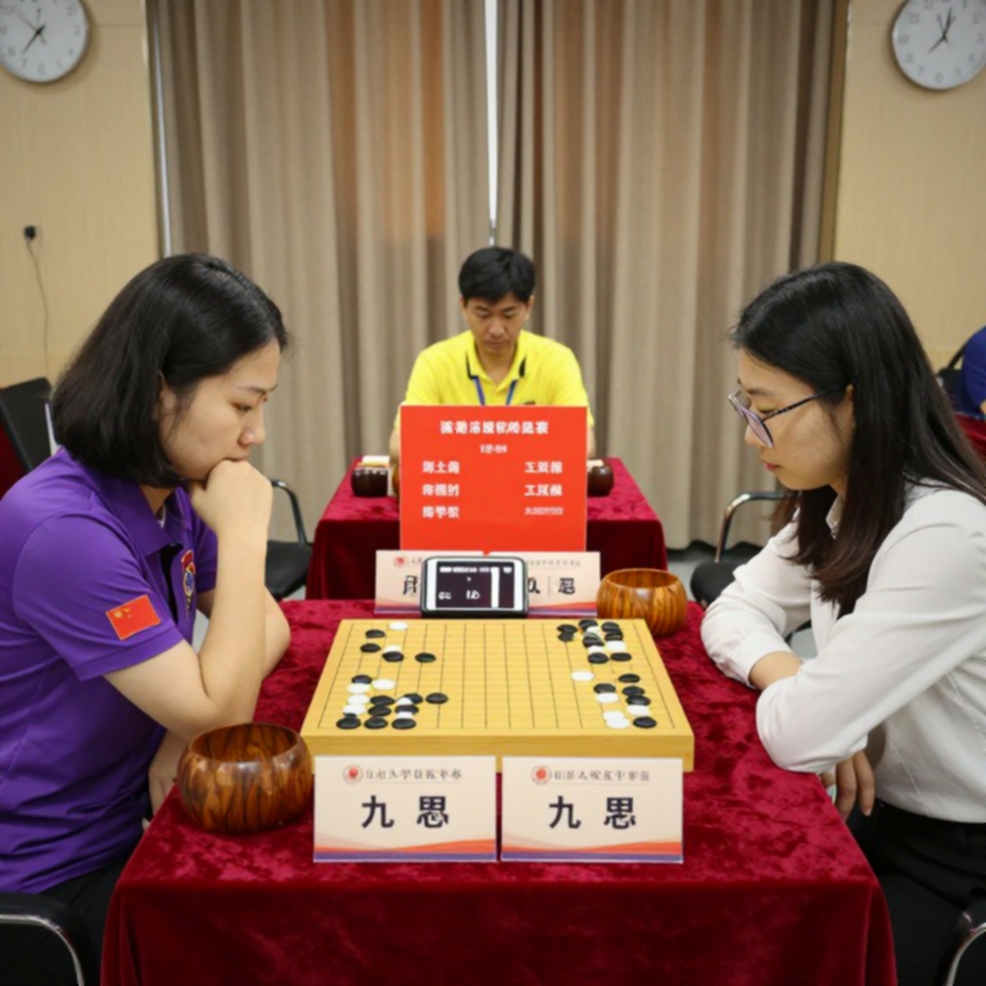
For Vietnamese players, from children starting out in amateur events to those long familiar with Le Quang Liem — world blitz champion in 2026 in Khanty-Mansiysk — the question is not whether to buy one more publication. The question is where it will sit on the desk: open for three evenings in a row, or filed away in a download folder and never opened again.